
Table of Contents
Introduction to Knotty Alder Wood
Knotty alder wood stands out in architectural design for its rich color variations and signature knots, evoking a sense of timeless charm. Sourced mainly from the western United States, particularly the Pacific Northwest, this hardwood brings warmth and an inviting texture to both traditional and modern spaces. The tree’s fast growth rate and sustainable harvesting practices make knotty alder an environmentally conscious choice for discerning homeowners and designers alike.
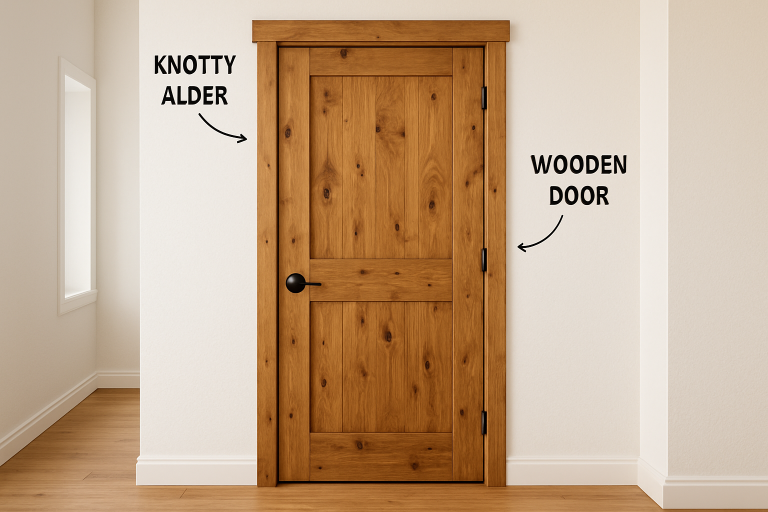
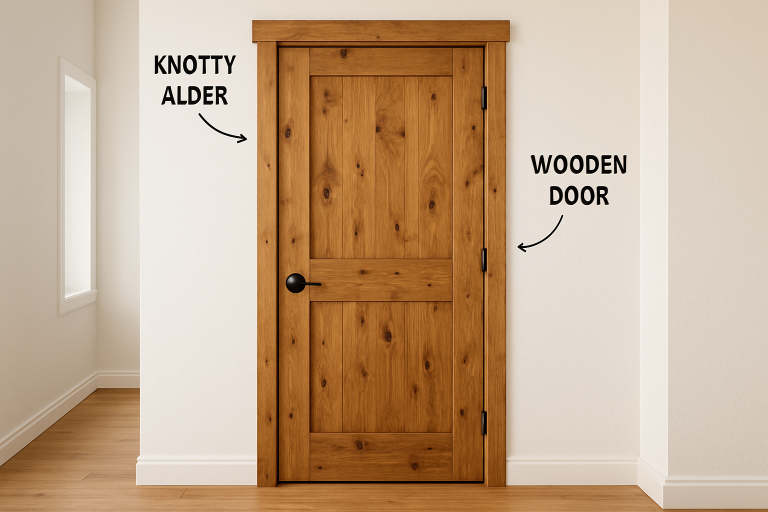
The inherent beauty of knotty alder has made it a top pick among designers seeking natural character, especially for making knotty alder wood entry doors that serve as a welcoming statement of style. Its distinctive personality is marked by a combination of straight and sometimes wavy grain, occasional wormholes, and a series of knots that differ in size and placement, ensuring that no two pieces are ever exactly the same. This uniqueness enhances the sense of individuality in every finished door, transforming a basic home element into a striking design feature.
Alder’s mostly straight grain and creamy caramel undertones provide a neutral canvas that works easily with a range of stains and finishes. As a result, knotty alder is as adaptable to sleek, contemporary homes as it is to classic cabins or rustic farmhouses. Because this wood has a comparatively soft texture among hardwoods, it’s easy for manufacturers to machine, shape, and carve intricate details. However, when properly sealed and finished, knotty alder remains durable, holding up well against everyday wear and tear that doors frequently experience.
Design Possibilities with Knotty Alder Doors
The design possibilities with knotty alder doors are almost endless. The wood’s prominent knots and intricate grain variations naturally create visual interest, making every door unique and full of character. This distinctiveness allows homeowners to infuse their spaces with personality, whether they seek a cozy, lived-in atmosphere or a sleek, modern look with organic warmth. Architects and interior designers are drawn to the creative flexibility of knotty alder, from traditional multi-panel layouts to contemporary slab-door designs.
Knotty alder can be shaped into a variety of profiles, including simple paneled doors, grand arched entryways, or more decorative styles with hand-carved details. Many custom projects include transom and sidelight windows paired with knotty alder entry doors, further enhancing curb appeal and allowing natural light to highlight the wood’s natural features.
With customizable stain and finish options, knotty alder can blend seamlessly into any décor. A clear or light stain enhances its natural character, showcasing the knots and grain variations, while a darker stain imparts a more refined, elegant look that is perfect for transitional or formal spaces. Many designers pair knotty alder doors with wrought-iron hardware or blackened-steel handles, further enhancing the rustic appeal and adding a sense of robust longevity.
Its flexibility extends to cabinetry and custom millwork, delivering a cohesive look throughout the home by echoing the door’s design in kitchen cabinets, entertainment centers, and even built-in bookshelves or mantels. For those undertaking renovation projects or building a new home, knotty alder’s customization potential is a valuable asset. Homeowners looking for inspiration on integrating knotty alder in unique door designs can find useful tips and ideas by exploring resources such as Parade of Homes’ guide to front door trends.
Knotty Alder in Modern Interiors
Once exclusively linked with rustic settings, knotty alder doors are now making a striking impression in modern interiors. Designers use them to soften the often cool, impersonal feel of contemporary spaces, where organic textures juxtapose with polished finishes, glass panels, and geometric lines. This mix of raw wood and modern elements creates an inviting ambience without losing the clean, uncluttered essence of minimalist or urban settings, allowing knotty alder to serve as a warm anchor within an otherwise streamlined environment.
A growing trend is the use of oversized knotty alder sliding doors in open-concept designs or as room dividers. These doors can separate a living room from a home office or frame an entryway in a dramatic fashion, adding a bold architectural feature that never overwhelms a space. Homeowners can embrace the unique textures and shades of knotty alder to make a visual statement, especially in rooms where architectural details might otherwise be sparse.
In lofts and city apartments, knotty alder doors are favored for their grounding and warmth, balancing out metal, exposed brick, and concrete tones often found in urban living environments. In spaces with large windows or modern lighting fixtures, the natural wood grain can catch and reflect light, creating a dynamic, ever-changing surface appearance. This versatility makes knotty alder an ideal material for more than just entryways—decorators are now choosing it for custom shelving, barn doors, and even wall panels to carry the look throughout the interior landscape.
For homes with open shelving, knotty alder adds an organic accent amid glass, ceramics, and modern metals. Additional insights on integrating natural wood elements into modern spaces can be found in articles from established publications such as Architectural Digest, which highlight how wood details can enhance comfort and foster a sense of harmony in a home.
Maintenance and Care for Knotty Alder Doors
Proper care extends the life and look of knotty alder doors. Routine maintenance, such as regular dusting with a microfiber or soft cotton cloth, is an easy way to prevent dirt buildup on textured surfaces and to help maintain the wood’s natural luster. For a deeper clean, use a soft cloth with a mild, wood-safe cleaning solution, and be mindful to avoid harsh chemicals that can strip the finish or damage the wood’s surface. Using water sparingly is essential, as excess moisture can cause the wood to swell or warp over time.
Due to its natural knots and grains, knotty alder is responsive to humidity and temperature changes. Resealing doors periodically, especially those exposed to the elements, helps guard against warping and moisture damage. For entry doors, weatherstripping and a quality exterior-grade finish provide added protection and energy efficiency by keeping out drafts and moisture.
Handling Scratches and Repairs
Minor scratches or nicks can be easily addressed with touch-up pens or wood filler made to match the existing stain, helping your door maintain its flawless look. If a door loses its finish or begins to look faded, lightly sanding and refinishing will bring back its luster and protect it from further damage. For extensive damage or deep gouges, consulting a professional woodworker or door specialist is recommended to restore the door without compromising its structure or appearance. Regular inspection of both hardware and wood integrity can help catch problems early, ensuring minor issues don’t become costly repairs down the road.
Conclusion
Knotty alder doors seamlessly unite rustic charm with modern design sensibilities. Their natural character, flexibility in finishing options, and ability to complement a diverse range of architectural styles make them popular among designers and homeowners who value authenticity and longevity in home finishes. With proper maintenance and attention to environmental conditions, these doors not only enhance the beauty of interior and exterior spaces but also stand the test of time, maintaining their welcoming appeal and sturdy function for years to come. For those looking to make a statement with their entryway or elevate their interior design, knotty alder stands out as a versatile, attractive, and enduring choice.
