
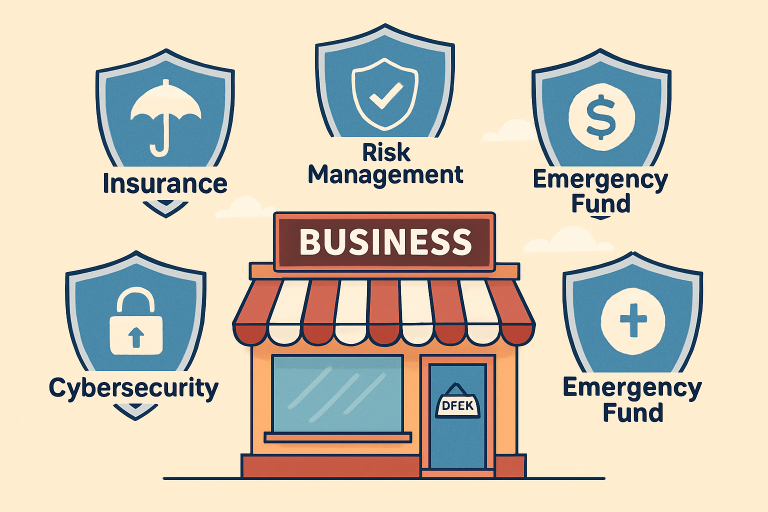
Running a small business can be remarkably rewarding, but it also comes with challenges, including unforeseen risks that can halt operations, impact finances, and threaten long-term stability. While business owners dedicate days and nights to building their enterprises, resilient planning and proactive protection are essential for lasting success. By understanding vulnerabilities and taking strategic action, you can shield your livelihood from many of the surprises that might otherwise catch you off guard. Reliable protection starts with the right resources, such as The Hartford small business insurance, which helps mitigate losses should the unexpected happen.
Identifying risks in your operations, implementing risk management strategies, and investing in appropriate coverage all contribute to a strong foundation. The way you prepare now can make the difference between a minor inconvenience and a significant disruption, ensuring your doors stay open and your clients remain confident in your ability to deliver.
Table of Contents
Understanding Potential Risks
Every business model comes with its own set of risks, many of which are not immediately apparent. Some of the most common threats facing small businesses include:
- Natural Disasters: Floods, hurricanes, fires, and earthquakes can inflict devastating property damage.
- Cyber Threats: Data breaches and ransomware targeting small businesses are on the rise, with the potential to cripple operations.
- Financial Setbacks: Economic instability or a sudden loss of revenue sources can strain or destabilize cash flow.
- Legal Liabilities: Lawsuits, whether initiated by clients or employees, can result in significant, unplanned expenses.
Each of these risks, if not managed, can have long-term consequences for your business continuity, reputation, and growth.
In addition, new forms of risk are constantly emerging—such as supply chain disruptions or regulatory changes—so remaining vigilant is vital. For broader insight, small business owners may find guidance from resources like Forbes’ coverage on navigating unexpected business challenges, which offers actionable advice from industry pros.
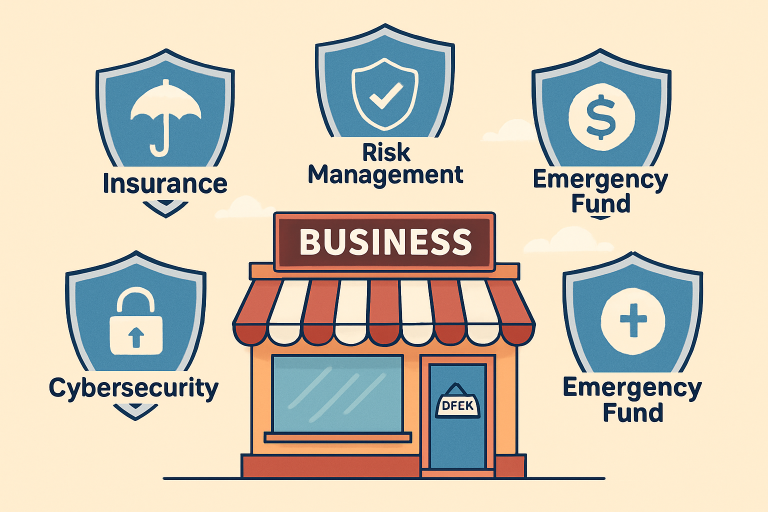
Developing a Risk Management Plan
Comprehensive risk management begins with a deliberate assessment and planning process, helping you to prepare responses in advance. Key steps include:
- Risk Assessment: Systematically identify potential hazards and assess the likelihood and severity of each.
- Mitigation Strategies: Implement procedures and controls to minimize or eliminate exposure to these risks.
- Emergency Response: Outline protocols for different scenarios, including physical, digital, and operational emergencies.
- Regular Training: Engage your workforce with ongoing education to ensure everyone is prepared and knowledgeable about risk prevention and response protocols.
Establishing these procedures ahead of time can dampen the impact of disruptions and keep your company agile in the face of adversity. For detailed directions, consult guidance from the U.S. Small Business Administration’s emergency preparedness resources.
Investing in Insurance Coverage
Insurance is a vital layer of defense, helping businesses recover financially after a setback. Small business owners should consider:
- General Liability Insurance: Shields your company from claims related to bodily injury, property damage, and even advertising errors.
- Property Insurance: Protects the physical assets of your business, including buildings and equipment, from natural and man-made disasters.
- Cyber Liability Insurance: With cyber threats constantly evolving, this policy addresses losses resulting from breaches, hacks, and digital theft.
Each business is unique, so the combination of policies should be tailored to your specific risks, taking into account factors such as employee count, industry regulations, and location.
Building Financial Resilience
Financial resilience underlies your ability to overcome adversity. Owners can strengthen their financial position by:
- Emergency Fund: Keeping a buffer of liquid resources to pull from when urgent, unplanned expenses arise can be lifesaving.
- Diversified Revenue Streams: Mitigating dependence on single clients or product lines by cultivating varied sources of income.
- Regular Financial Reviews: Monitoring balance sheets and adjusting financial commitments to align with evolving business priorities.
According to recent findings published by Forbes, most small business owners overestimate their ability to recover from a significant disruption, further underlining the importance of robust financial practices.
Enhancing Cybersecurity Measures
As cyber risks grow more sophisticated, investing in digital defense should be a standard part of your operating model. A proactive approach to cybersecurity not only reduces the likelihood of an attack but also minimizes downtime and financial losses in the event of an incident.
- Strong Password Policies: Require all employees to use complex passwords and update them frequently.
- Regular Software Updates: Consistently install updates and security patches on all operating systems and applications.
- Employee Training: Armed with the proper knowledge, your staff becomes the first line of defense by recognizing phishing attempts and suspicious online activity.
Additionally, implementing multi-factor authentication and secure data backup systems can further enhance your defenses. These measures help ensure critical information remains protected and recoverable, even in the event of a breach or system failure.
Regularly Reviewing and Updating Strategies
The landscape of risk shifts over time, as technology evolves, legal requirements change, and new threats emerge. Staying protected means:
- Ongoing Plan Reviews: Schedule regular revisits of risk assessments and management plans to keep them current.
- Update Insurance Policies: As your operation expands or shifts, ensure your coverage grows with it.
- Continuous Employee Training: Routine refreshers and updates will keep your team prepared for emerging concerns.
Frequent reviews and nimble adaptation allow small businesses to maintain their edge and protect their assets in a dynamic environment. Remaining proactive, rather than reactive, is the key to lasting security and operational confidence.
By incorporating thorough risk management into daily practice, building solid financial buffers, and continuously educating your team, you give your small business every chance to weather uncertainty—and thrive, regardless of what comes next.

