
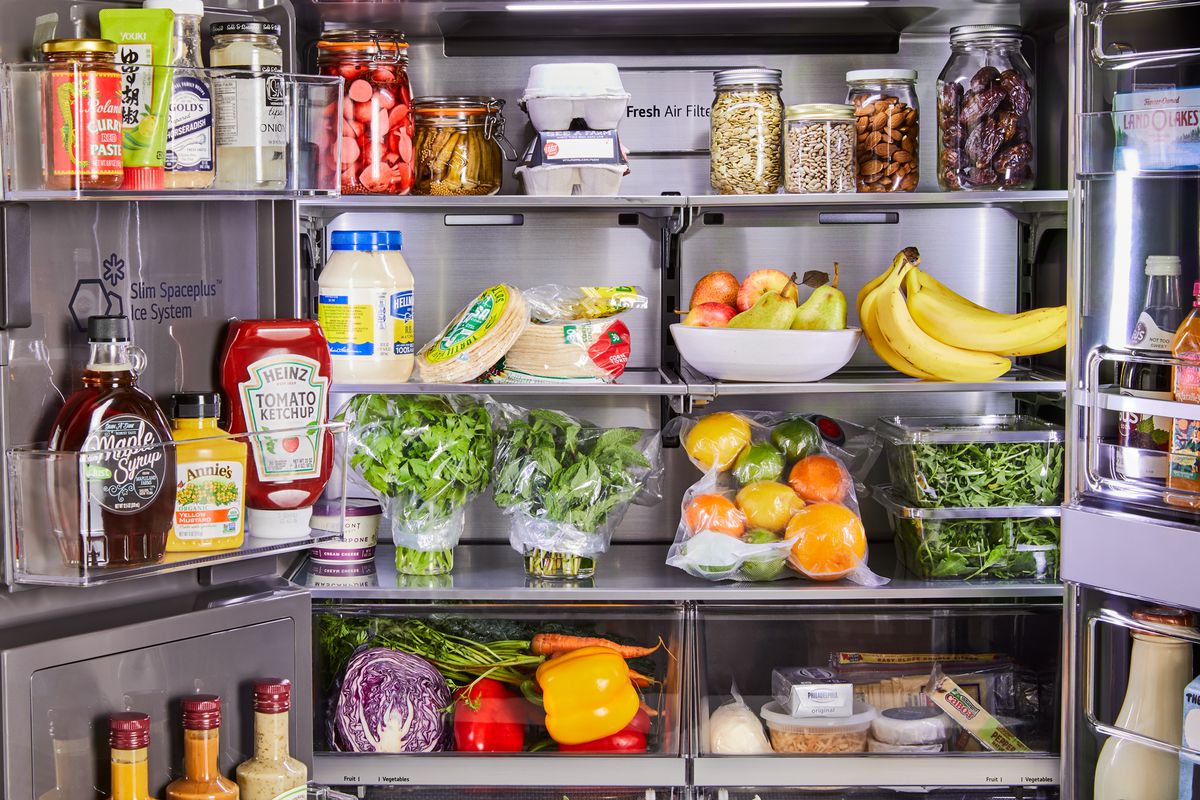
You might have wondered about the right way to arrange food in your refrigerator. This simple question plays a significant role in preventing foodborne illness and keeping your family safe.
A well-organized fridge does more than look good – it helps maintain food safety. The USDA recommends keeping food at 40°F (4°C) or below to avoid the ‘danger zone’ where bacteria grow faster. Your refrigerator works best between 1°C and 5°C (33.8°F to 41°F) to slow food spoilage. The way you arrange items matters because different areas have different temperatures. The bottom shelf is definitely the coldest spot, which makes it perfect for raw meat, poultry, and fish in sealed containers. The door’s temperature changes the most, so it’s better to store condiments and preserved foods there instead of perishables.
This piece will show you the right order to store items in your refrigerator. You’ll learn to prevent cross-contamination, keep food fresh longer, and create a safer kitchen space.
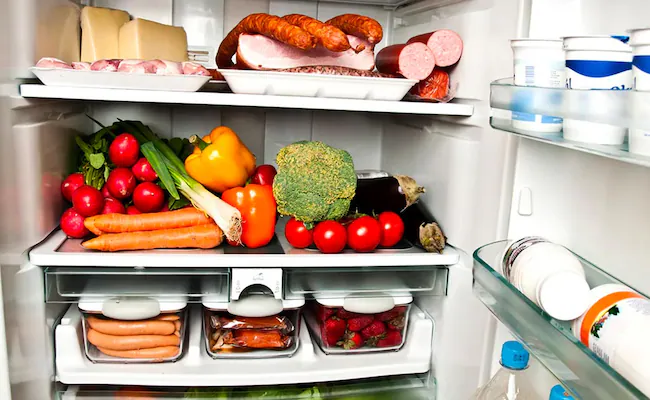
Table of Contents
- 1 Understand the Importance of Fridge Storage Order
- 2 Top Shelf: Store Ready-to-Eat Foods Safely
- 3 Middle Shelves: Dairy and Cooked Foods
- 4 Bottom Shelf: Raw Meats and High-Risk Items
- 5 Drawers and Doors: Produce and Condiments
- 6
- 7 Here are some FAQs about which food should be stored above the others in a refrigerator:
- 7.1 What food should be stored above the other in the refrigerator?
- 7.2 What food should be stored above all others?
- 7.3 In what order should food be stored in the fridge?
- 7.4 Which food should be kept at the top of a refrigerator?
- 7.5 What should be stored above the fridge?
- 7.6 Which food should be stored above the others in a refrigerator Quizlet?
Understand the Importance of Fridge Storage Order
The right way to organize your refrigerator goes beyond easy item access—it plays a vital role in your household’s food safety. Your food arrangement choices in the fridge can mean the difference between safe consumption and potential foodborne illness. Let’s take a closer look at the science behind fridge organization and its importance.
Why shelf order matters for food safety
A simple principle forms the foundation of fridge organization: store foods according to their minimum internal cooking temperature. You should place foods needing higher cooking temperatures on lower shelves. This arrangement stops raw food juices (especially from meats) from dripping onto ready-to-eat items.
Ready-to-eat foods belong on top shelves when you follow this principle, while raw poultry—which needs the highest cooking temperature—stays at the bottom. This method reduces the risk of harmful bacteria moving between foods by a lot.
Raw meats, poultry, and seafood should stay in sealed containers or securely wrapped packages to create another safety barrier against contamination. This practice stops raw juices with dangerous bacteria from reaching other foods in your refrigerator.
How cross-contamination happens
Harmful bacteria move or transfer from one food, person, or surface to another in a process called cross-contamination. Your refrigerator becomes vulnerable when:
- Raw meat juices drip onto foods below
- Raw item containers touch ready-to-eat foods
- Poor handling spreads bacteria between items
To cite an instance, see what happens with raw chicken stored above a bowl of salad. Leaking juices could taint the salad with bacteria like Salmonella or Campylobacter. Poor food storage order leads to cross-contamination between different raw foods too. Raw chicken must stay below raw ground beef, which belongs below raw seafood and eggs.
Research shows overpacked refrigerators create a higher risk of cross-contamination compared to properly loaded ones. This happens because crowding blocks proper air flow and makes organized food separation difficult.
The role of temperature zones in your fridge
Your refrigerator creates different temperature zones that should guide your food organization:
- The bottom shelf: This spot stays coldest (especially at the back), making it perfect for raw meats. The temperature here should stay between 1-5°C (34-41°F).
- Middle shelves: These areas keep steady temperatures, ideal for dairy products, eggs, and cooked foods.
- The door: This area warms up most due to frequent opening. Save this space for condiments, preserves, and items that resist spoiling.
- Crisper drawers: These come with humidity controls to adjust storage conditions for fruits and vegetables.
These temperature variations help maximize food freshness and safety. Modern refrigerators might have more even temperatures throughout, but the back—where cooling units typically sit—stays colder than the front.
The right temperature matters just as much. Food safety experts recommend keeping your fridge at or below 40°F (4°C) to slow bacterial growth. Your food will last longest at 34°F (1°C) in the coldest areas.
Top Shelf: Store Ready-to-Eat Foods Safely
Your refrigerator’s top shelf is prime real estate for your most vulnerable foods. Foods that need no extra cooking should take this coveted spot in your fridge. Let’s see why this matters and how to do it right.
Examples of ready-to-eat items
The top shelf should hold foods that won’t need further cooking. Here’s what belongs up there:
- Leftovers and cooked meals
- Deli meats and pre-sliced sandwich meats
- Prepared salads (including egg, chicken, ham, tuna, and macaroni salads)
- Dairy products like yogurt and cheese
- Packaged ready-to-eat foods
- Cooked seafood
- Dips and spreads
These items share one thing – you can eat them straight from the fridge without any extra cooking. The top shelf acts as a safe zone for foods you’ll serve without heating.
Why these foods go on top
Putting ready-to-eat foods on the top shelf prevents cross-contamination, which is a vital part of organizing your fridge. This spot keeps harmful bacteria from raw foods below from dripping onto items you won’t cook again.
These foods need extra protection since you won’t cook them again to kill harmful bacteria. Raw meat juices might contain dangerous pathogens like Salmonella or E. coli that could make you sick if they touch prepared salads.
The top shelf also keeps temperatures steady. While not as cold as the bottom shelf, upper shelves stay at the right temperature for ready-to-eat foods and don’t change much. This spot hits the sweet spot – cold enough to keep food fresh but not so cold it freezes.
This arrangement creates a safety system where foods needing the highest cooking temperatures sit at the bottom, while vulnerable foods stay safe up top.
How to cover and contain them properly
Covering ready-to-eat foods matters just as much as where you put them. Food needs protection even on the top shelf to stay fresh and safe.
The FDA says you should keep refrigerated foods in covered containers or sealed bags. This helps in several ways:
- Keeps moisture in so leftovers don’t dry out
- Blocks food from picking up other smells
- Creates an extra barrier against contamination
- Helps food stay fresh longer
Store leftovers in shallow containers instead of deep ones so they cool faster. This cuts down time in the temperature “danger zone” between 40°F and 140°F where bacteria grow faster.
On top of that, it’s smart to eat these foods quickly. Luncheon meats should be eaten soon after purchase. Even well-stored items don’t last forever – deli meats last 3 to 5 days, and most leftovers stay good for 3 to 4 days.
Your fridge should stay at or below 40°F (4°C) to slow down bacteria growth. Samsung suggests setting it to about 38°F (3°C). An appliance thermometer will tell you if all storage areas stay cold enough.
Learning what goes on your top shelf and how to store it right will make your fridge safer and more efficient.
Middle Shelves: Dairy and Cooked Foods
The middle section of your refrigerator is perfect for dairy products and prepared foods. This area has a balanced temperature between the warmer top and colder bottom shelves. You need to know how to use this space to work well and keep your food fresh.
Which dairy products go here
Many people think all dairy products should go in the door – but that’s wrong. The middle shelves keep a steady cold temperature that makes dairy products last longer. Here’s what you should store here:
- Milk (put it toward the back where it’s colder)
- Yogurt (lasts 1-2 weeks)
- Cheese (hard cheeses last up to 6 months with proper storage)
- Sour cream (stays good until the use-by date)
- Cottage cheese (stays fresh about 2 weeks)
Hard cheeses like cheddar and Swiss can last 6-9 months in airtight containers in the freezer. Most dairy items need storage at or below 40°F (4°C) to stay fresh and safe.
How to store leftovers and cooked meals
Your leftovers need quick action – get them in the fridge within two hours after cooking (or one hour if it’s hot outside). This time limit counts everything from serving to packing up the food.
Shallow containers work best for cooked foods – nothing taller than three inches helps food cool faster. Leave some space between containers for cold air to move around. Containers stacked too close create warm spots where bacteria can grow.
Put dates on your leftover containers to track when you need to eat them. Your refrigerated leftovers stay safe for 3-4 days. The freezer keeps food safe for 3-4 months, though the quality might not be as good over time.
Avoiding temperature fluctuations
The middle shelves keep the most steady temperatures in your fridge. This makes them ideal for foods that spoil easily.
Here’s how to keep temperatures steady:
- Don’t overfill your fridge – packed shelves block airflow
- Keep vents clear of containers for good cold air flow
- Leave about a thumb’s width between items and the back wall
- Let hot foods cool for about 30 minutes before putting them in
A fridge thermometer on the middle shelf helps you track temperatures. Your fridge should stay between 37-40°F (3-4°C). Regular checks help you catch problems before your food spoils.
Good organization of middle shelves makes your dairy products and leftovers last longer. This system also helps you figure out which foods should go where, creating a safe and logical kitchen setup.
Bottom Shelf: Raw Meats and High-Risk Items
The bottom shelf of your refrigerator needs special attention because it is a vital part of food safety. This area works best for raw meats and high-risk items that need the coldest temperatures. You must handle these items with care to prevent cross-contamination.
Why this is the coldest part of fridge
The science behind storing raw meat on the bottom shelf is simple – cold air sinks and warm air rises. The bottom area of your fridge stays at the lowest temperatures, especially at the back. In fact, the bottom shelves remain colder than upper areas even in fridges with good airflow systems. This natural temperature pattern makes the bottom shelf ideal for storing raw meat, poultry, and seafood.
How to prevent meat juices from leaking
You can prevent cross-contamination with proper placement. Raw meats should never sit above ready-to-eat foods where drips could contaminate items below. The original packaging works fine if you plan to use the meat within a day or two. For longer storage, you should transfer meats to leak-proof containers right away.
Smart handling techniques include:
- Double-bagging meats to add protection
- Using plates or trays under packages to catch leaks
- Keeping different raw meats separate to avoid cross-contamination
Use of sealed containers and trays
The right storage containers make a big difference in food safety. Sturdy containers protect against leaks better than disposable plastic bags that tear easily. You should look for containers with these key features:
- BPA-free plastic or glass construction with high sides
- Tight-fitting lids or secure seals
- Clear materials so you can see what’s inside
A dedicated meat drawer or “chill” compartment works even better than the bottom shelf for raw protein storage. These special drawers keep meat at perfect temperatures while containing potential leaks.
Note that temperature control is essential – your fridge should stay at or below 40°F (4°C) to stop bacteria from growing. These storage practices are the foundations of preventing foodborne illness and keeping food fresh.
Drawers and Doors: Produce and Condiments
Your refrigerator’s specialized compartments at the bottom and sides serve a specific purpose. These aren’t random storage spaces – they’re designed to maintain food’s peak freshness. A complete fridge organization strategy depends on using these areas correctly.
How to organize your refrigerator drawers
The best performance from crisper drawers comes when they’re about ⅔ full, which allows air to circulate properly. You should avoid washing produce until you plan to use it since extra moisture speeds up decay. Fresh herbs stay best when placed upright in a glass with 1-2 inches of water and covered with a produce bag. Asparagus needs wrapping in a moist paper towel or standing in cold water with covered tips. A clean and dry lettuce head belongs in a salad spinner or resealable bag with a paper towel.
High vs low humidity drawers for fruits and vegetables
Most refrigerators come with adjustable humidity settings on crisper drawers. The high humidity setting (closed vent) works best for thin-skinned produce that wilts easily – like leafy greens, herbs, broccoli, and strawberries. The low humidity setting (open vent) suits ethylene-producing fruits such as apples, pears, melons and stone fruits. These groups need separate drawers because ethylene gas from fruits can damage nearby vegetables.
What to store in the fridge door and why
Your refrigerator’s door experiences the most temperature changes in the unit. This space works best for items that handle warmer conditions: condiments, butter, cooking oils, soda, and water. The door’s dedicated compartments might suggest storing milk and eggs there, but these items last longer on interior shelves where temperatures stay consistent.
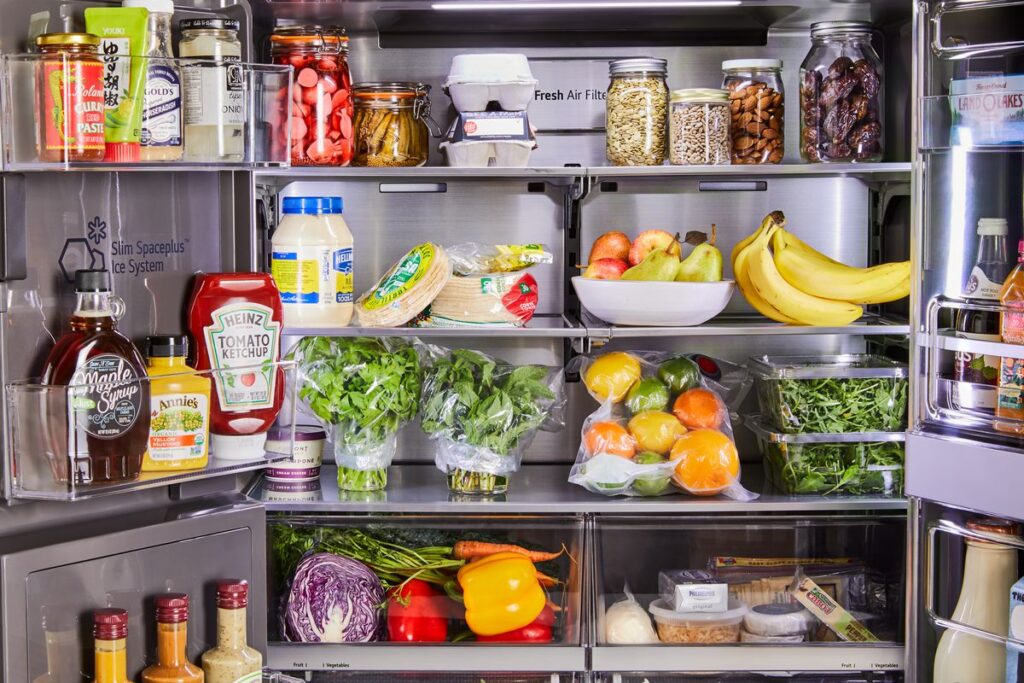
Food safety depends on proper refrigerator organization, not just convenience. Smart placement of items based on cooking temperatures helps reduce the risk of cross-contamination. You should keep ready-to-eat foods on top shelves. Dairy products and leftovers work best in middle sections. Raw meats need to stay on the bottom shelf where it’s coldest.
On top of that, knowing how to use crisper drawers helps keep produce fresh longer. Leafy greens and herbs stay crisp in high-humidity drawers. Low-humidity settings work better for fruits that produce ethylene. The door should only store items that can handle temperature changes – mainly condiments and preserved foods.
Temperature control matters just as much as proper placement. Your refrigerator should stay between 37-40°F (3-4°C). This range slows down bacterial growth without freezing sensitive items. Regular checks with a thermometer help maintain safe food temperatures.
Good storage goes beyond just putting things in the right place. Using sealed containers, shallow dishes for leftovers, and proper wrapping techniques creates a safer kitchen. These habits prevent cross-contamination and help food last longer.
Time spent organizing your refrigerator pays off through less food waste, lower risk of foodborne illness, and better meal quality. These simple storage rules change your refrigerator from a basic appliance into a tool that keeps food safe and fresh. Your family deserves this careful approach to food storage, one shelf at a time.
Here are some FAQs about which food should be stored above the others in a refrigerator:
What food should be stored above the other in the refrigerator?
Food that is fully cooked and ready-to-eat should always be stored above raw foods in the refrigerator. This prevents juices from raw meat, poultry, or seafood from dripping down and contaminating the food below. The principle of Which Food Should be Stored Above the Others in a Refrigerator is a key food safety rule to avoid cross-contamination.
What food should be stored above all others?
Ready-to-eat foods, such as leftovers, deli meats, yogurt, and prepared salads, should be stored above all others in the refrigerator. This top-shelf placement ensures they are kept away from potential contaminants. This directly answers the question of Which Food Should be Stored Above the Others in a Refrigerator for safe storage.
In what order should food be stored in the fridge?
Food should be stored in the fridge in a top-to-bottom order based on cooking temperature: ready-to-eat foods on top, then seafood, whole cuts of beef and pork, ground meats, and finally poultry on the bottom shelf. This order minimizes the risk of cross-contamination from raw to cooked items. Following this sequence is the practical application of Which Food Should be Stored Above the Others in a Refrigerator.
Which food should be kept at the top of a refrigerator?
The top shelf of the refrigerator should be reserved for ready-to-eat foods and beverages. This includes items like drinks, condiments, and cooked leftovers that will not be cooked again before eating. Storing these items at the top adheres to the guideline of Which Food Should be Stored Above the Others in a Refrigerator.
What should be stored above the fridge?
Items stored above the refrigerator (on top of the appliance) should be non-perishable, heat-stable goods like cookbooks, kitchen decor, or extra paper towels. You should never store perishable food, wine, or medications there due to the excess heat the fridge emits. This is a different storage area from the interior question of Which Food Should be Stored Above the Others in a Refrigerator.
Which food should be stored above the others in a refrigerator Quizlet?
On Quizlet and other food safety study materials, the correct answer is that ready-to-eat foods should be stored above raw foods in a refrigerator. This is a standard test question to confirm knowledge of safe food handling practices. The fundamental rule is always Which Food Should be Stored Above the Others in a Refrigerator to prevent foodborne illness.


